Why the best-selling plate in your club is costing you bar revenue, and the menu format, timing, and pricing that keep the floor full to close.
There is a moment in every club night when the room decides what it is going to be. Usually it lands around 11:40. The DJ has found the pocket, the bar is three deep, the floor is full. Then a table of eight orders food, and twenty minutes later half of them are sitting down with forks in their hands. The energy drops, the bar slows, and the room never quite gets back.
The culprit is almost always the same kind of dish. This series was shaped by insights from the team at Crazy Girls Cabaret, whose late-night floor experience helped frame how food either feeds the room's momentum or quietly drains it. Their point is simple and a little uncomfortable for chefs: in a nightclub, a dish is not judged by how good it tastes. It is judged by what it does to the body of the person eating it.
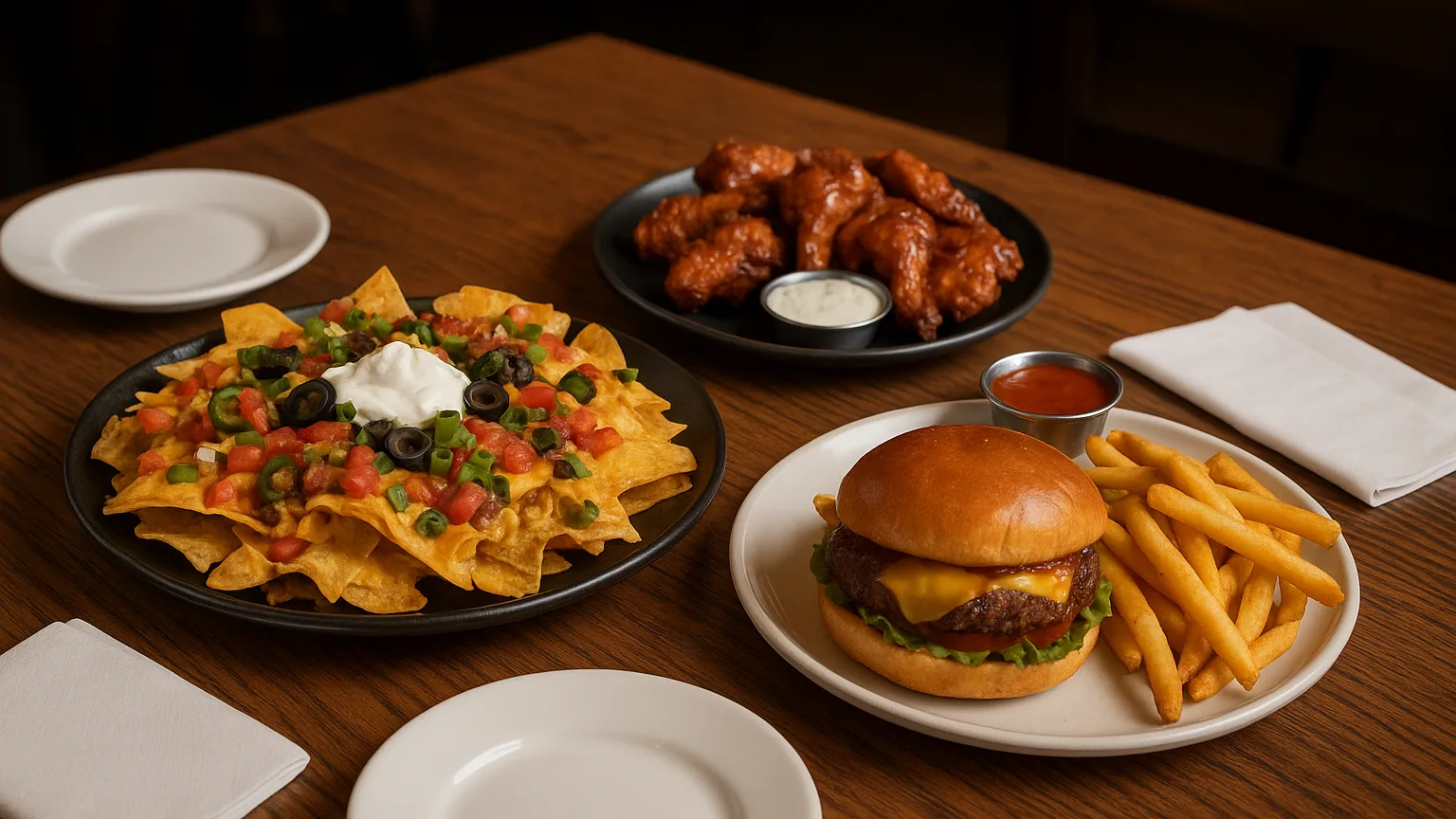
Loaded nachos. A full rack of wings with three sauces. A burger with fries. A shareable pasta. Anything that needs both hands, a table, a napkin on the lap, and fifteen minutes of focused attention.
A specialist who works with Djmag day to day points out that this tradeoff matters more than most people expect.
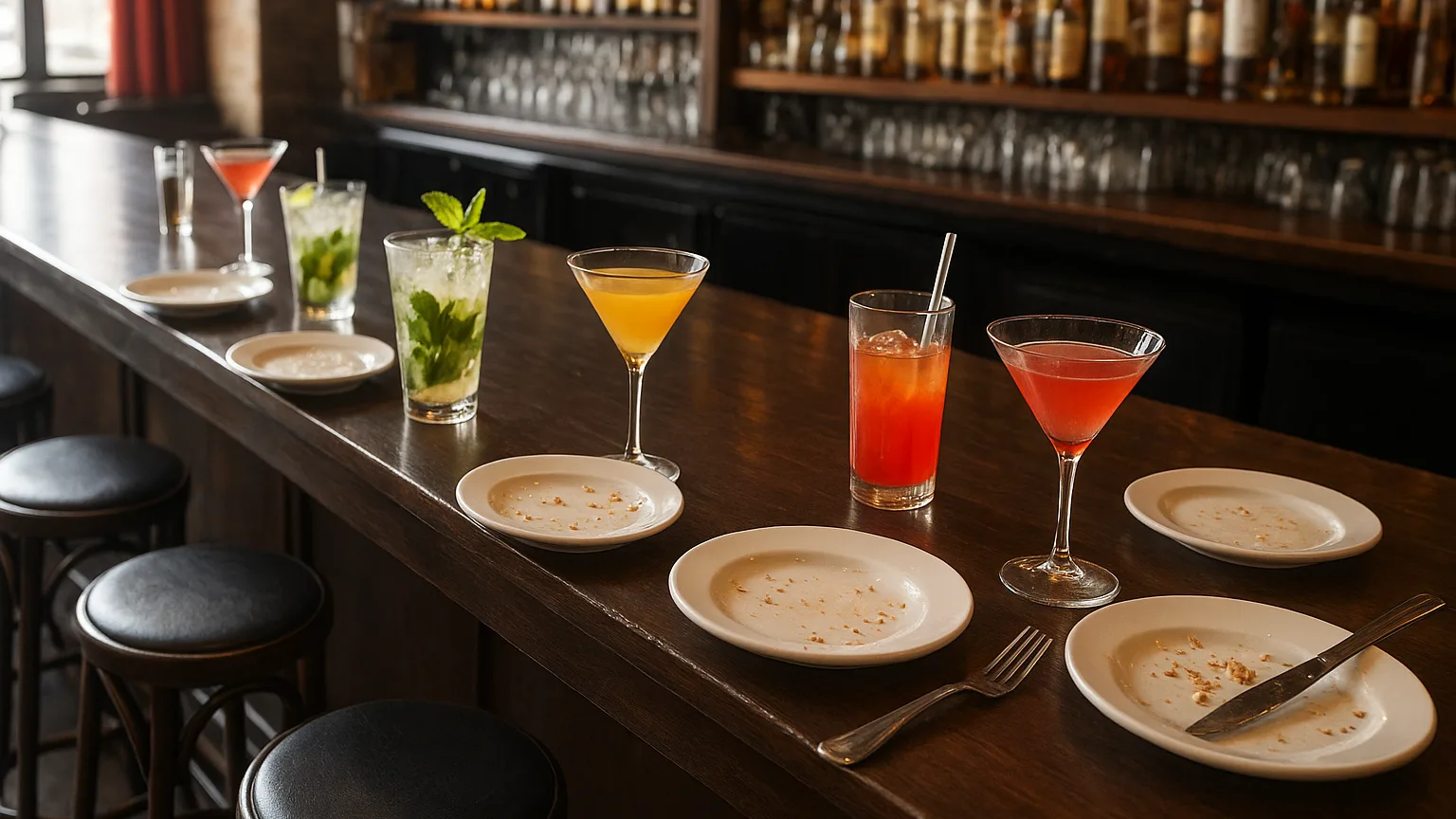
These sell, and that is the trap. They are top movers on almost every club menu, which is exactly why owners keep them. But watch what happens after the plate lands. Guests claim a table and hold it. They stop dancing. They stop ordering drinks, because their hands are full and their mouths are busy. Heavy fat and heavy carbs hit, and about thirty minutes later the group reads as tired instead of lit. The check goes up by forty dollars and the bar tab goes down by a hundred and twenty.
A restaurant menu exists to be the event. A nightclub menu exists to protect the event. Those are opposite jobs, and most clubs write the first menu and wonder why the second one never shows up. Food in a club has three real functions:
Judge every single item against those three. If a dish only wins on the first one, it does not belong. Food that pulls people off the floor is a cost dressed up as revenue.
Build the entire menu around a single physical test: can a guest eat this while standing, holding a drink in the other hand, in low light, without a table? If yes, it belongs. If no, it needs a very good reason to stay.
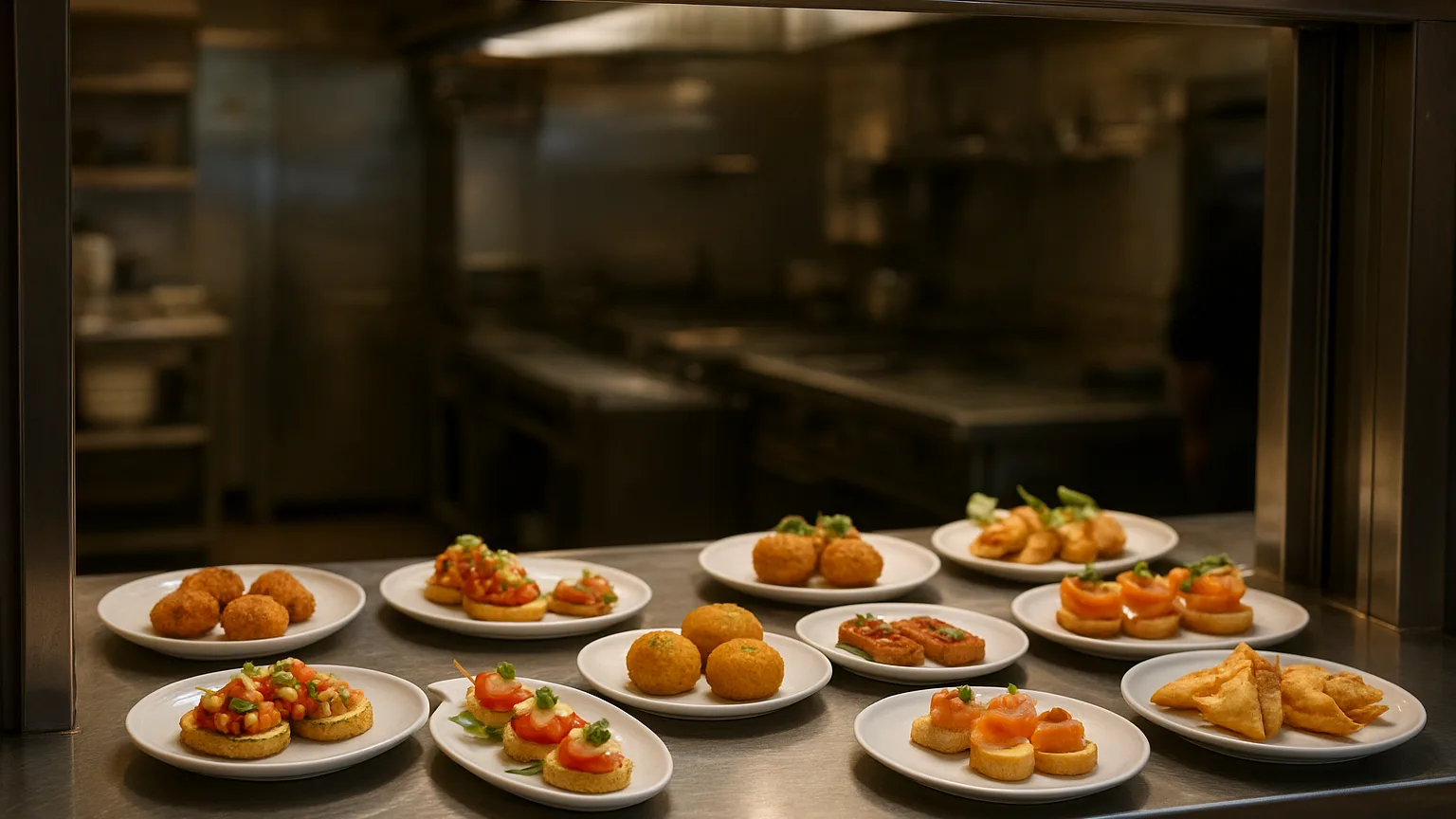
That rule instantly reshapes the kitchen. Skewers survive. Sliders survive. Anything requiring a knife is out. Anything with a sauce that drips onto a dress is out, and that one costs you more than you think, because a stained guest leaves early and tells people why. Wings stay only if they are dry-rubbed, small, and served in a cone rather than a basket.
Twelve to fourteen items. That is the whole menu. Anything more and you slow the kitchen, confuse the guest in a dark loud room, and bury your margin in inventory nobody sells.
A practical split: four snacks under twelve dollars, five mid-tier bites, three premium shareables built for bottle service tables, and one late-night item that only appears after one in the morning. That last one is theater. A single indulgent thing that shows up when the room is loosest becomes a reason to stay for it.
Small menus also make hiring simpler and reduce waste. Clubs that handle private bookings should apply the same discipline to outside partners and vet a caterer before you lock in an event menu that fights your floor plan.
Six minutes is the ceiling. Past that, the guest has already left the table, the server cannot find them, and the food goes cold in the window. That means prep-heavy and fire-fast: everything portioned, sauced, and staged before doors. At peak your line should be assembling, not cooking. One fryer, one flat top, one cold station, nothing that needs a resting period. Test your menu at eleven on a Saturday with a full room, not at four in the afternoon with a clean kitchen and a calm crew.
“The rooms that stay packed treat the kitchen like part of the production, not a separate business running in the back,” says Marcus Vela, a nightlife operations analyst at DJ Mag. Food timing, in that framing, is a cue the same way lighting and track selection are cues.
Club guests do not price-compare food against restaurants. They price it against a cocktail. If your signature drink is eighteen dollars, a fourteen dollar snack reads as reasonable and a thirty-two dollar plate reads as a decision. Decisions kill impulse orders, and impulse is the only kind of order a nightclub gets.
Watch your cost per cover the same careful way you would read your commercial utility bill, because a 28 percent food cost on a slow-moving item is a much worse number than it looks once labor and holding time are added.
Late-night appetite is not normal appetite. Alcohol pushes taste toward salt, fat, heat, and sugar, and patience toward zero. Salt is your strongest tool because it sells drinks. Heat is second because it does the same thing. Sweet matters more than most clubs realize: a warm mini doughnut or a single chocolate truffle sent to a table at 1:30 buys enormous goodwill for pennies and keeps a group seated a little longer without ever slowing them down. Familiarity works too. Nobody at 1 a.m. wants to read a description. Truffle fries, honey chili wings, birria sliders. The menu should be legible in three seconds by phone flashlight.
Pair food to spirits, not to flavor theory. Salt drives clear spirits and sparkling. Heat drives beer and anything sweet. Fat drives whiskey and darker cocktails. Print one suggested pairing beside three or four items and watch attachment rates climb. Bottle service tables deserve a purpose-built version: a tiered snack tower that arrives with the bottle creates a visual event, keeps the table planted in a good way rather than a dead way, and pushes a second bottle because the group is not sliding into that heavy, sleepy place.
Nobody reads a menu in a nightclub. Your servers are the menu, and their script matters more than your printing. Train three lines and only three: what to recommend for a standing group, what for a seated table, and what to send when a guest looks like they need food before their next round. Servers should also know which items travel well through a crowd and which die in transit. The bar and the kitchen need one shared signal for when a table is drinking hard and should be offered salt immediately, because that single habit protects both revenue and guests.
Run a post-shift check every weekend. Which items sold, which stalled the floor, and which tables went quiet after their food landed. That last metric is the one almost nobody tracks, and it is the one that separates a room that empties at 1 a.m. from a room that closes loud. Operators who apply this level of attention tend to build the same reputation signals that makes a restaurant award winning, just measured in a very different currency.
A nightclub menu is not a smaller restaurant menu. It is a piece of the room's choreography, and every item on it either lifts the floor or flattens it. The loaded entree platter flattens it. The skewer, the slider, the cone of hot salty fries, the two-bite dessert that appears near closing, those keep the night alive. Keep the list to a dozen or so items, hold your tickets under six minutes, price against a cocktail rather than a dinner, and lean into the salt, heat, and sugar that late-night bodies actually want.
Then hand it to a crew that knows exactly when to offer what, and let the room do the rest. Pull the one dish that sits people down, and guests drink longer, stay later, spend more, and leave talking about a night that never dipped. That is the whole point of putting a kitchen behind a nightclub in the first place.
Restaurant Utopia rounds up top restaurants, caterers, equipment and vendors so you can decide with confidence.