Before a single panel goes on the roof, four lines on your utility bill decide whether solar pays off for your kitchen. Learn to read them and walk into every quote with leverage.
Most solar quotes for restaurants start in the wrong place. A rep looks at your roof, measures the square footage, and tells you how many panels will fit. That number has almost nothing to do with whether solar saves you money.
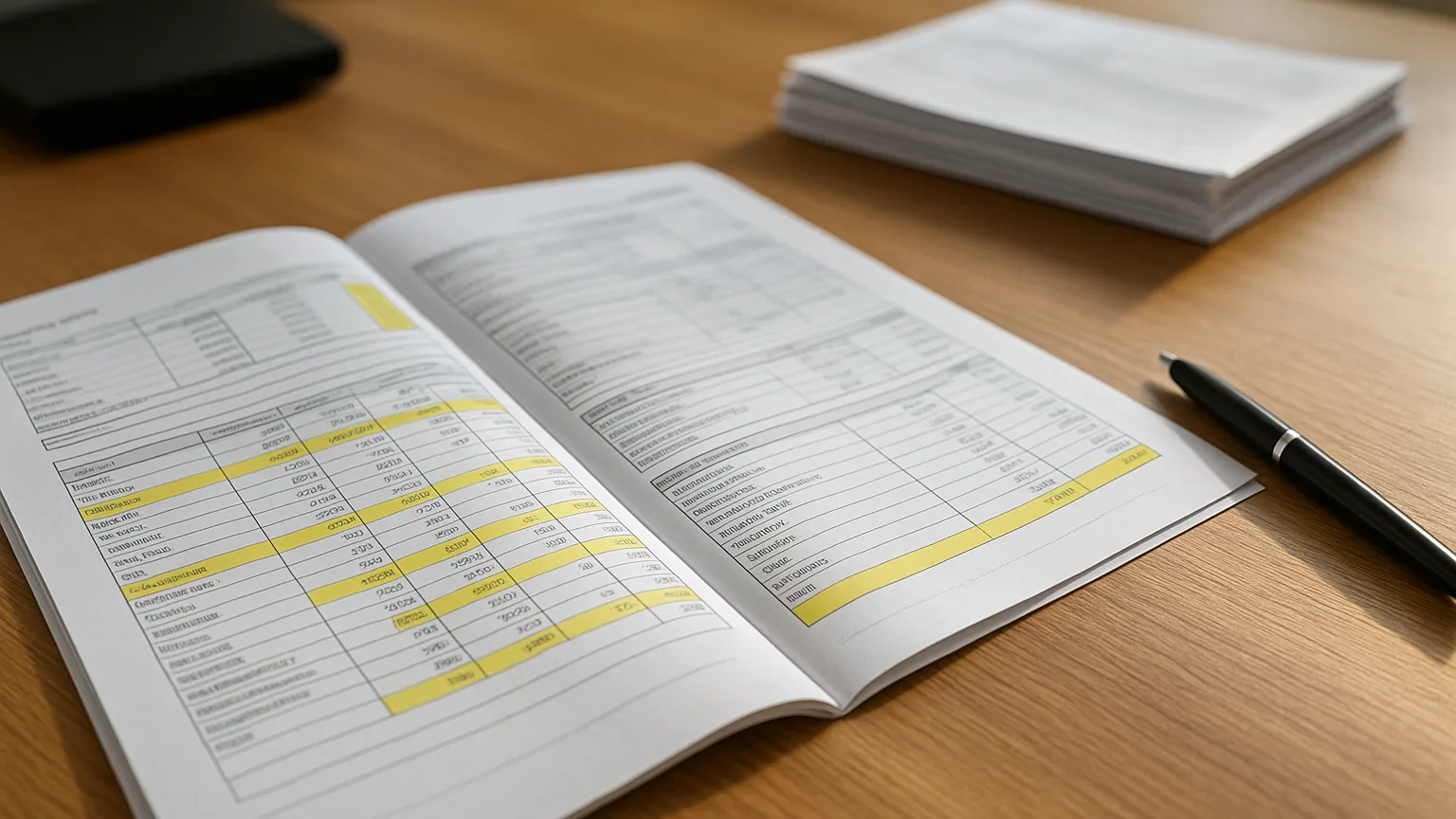
The real answer is sitting in a drawer or an email folder right now. Your commercial utility bill. Not the total at the bottom, but the four or five lines above it that most owners skip. Once you can read those lines, you can steer any sales conversation yourself.
Pull up your most recent bill and one from the opposite season, summer and winter, because a restaurant's power use swings hard with weather, patio hours and holiday catering volume. Find these:
Write those four down for both months. That single sheet of paper is worth more than three sales presentations.
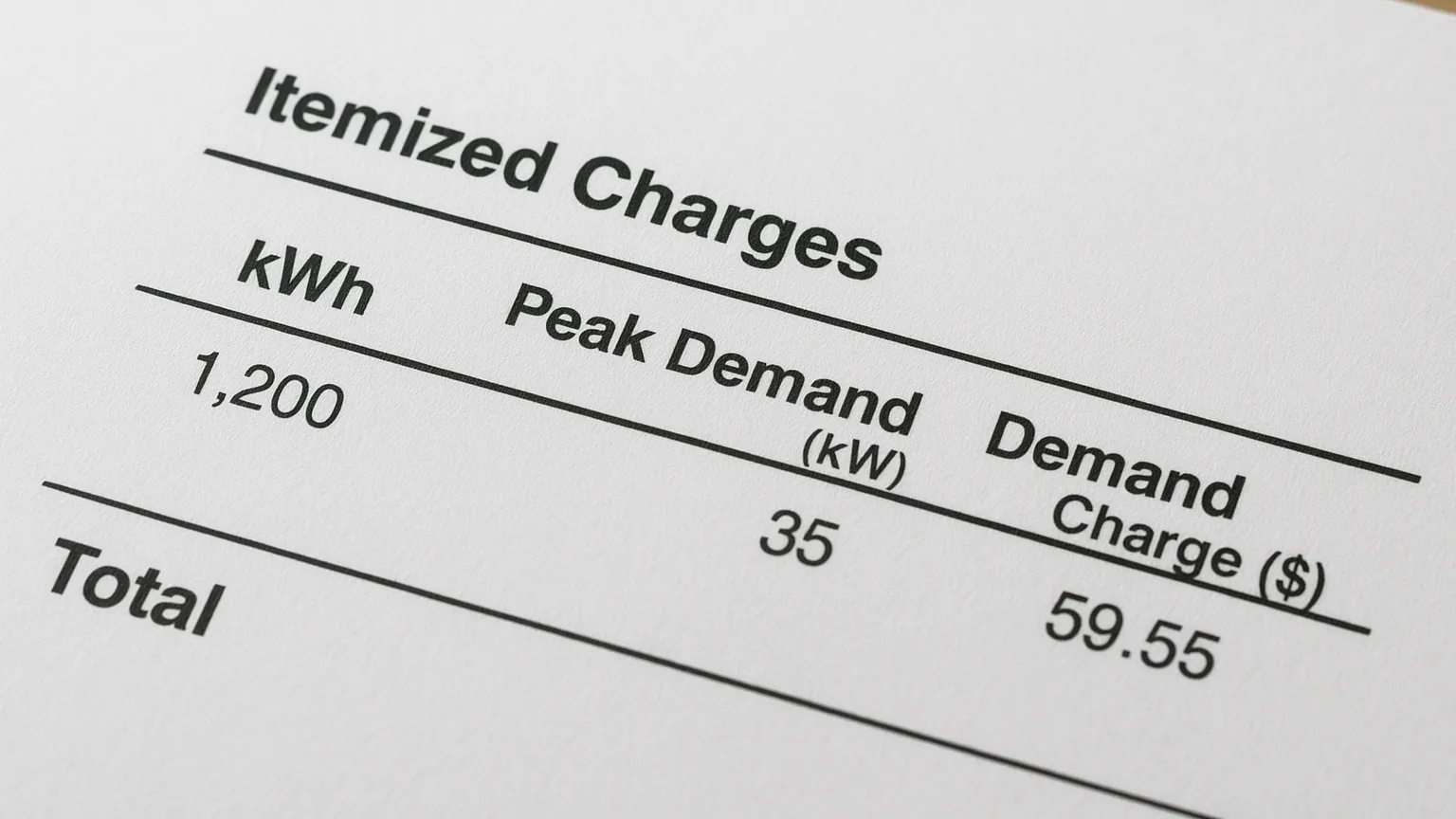
Say your walk-in compressor kicks on at the same moment your hood fans ramp to full and the dish machine starts a heat cycle. For fifteen minutes you are pulling 92 kW. The rest of the month you average 40 kW. Your utility bills you for that 92, every month, based on that one worst window. At 18 dollars per kW, you paid roughly 1,656 dollars for a spike that lasted less than a coffee break.
“Operators tell me their bill went up and their business did not, and nine times out of ten it is a demand spike, not extra usage,” says Marcus Reyna, commercial accounts lead at a firm that handles energy procurement for businesses. “Reading the demand line first changes which solution actually fits.”
Many commercial rates charge more for power between roughly noon and 8 or 9 p.m. That is dinner service, exactly when your kitchen is at full load. If your bill splits on-peak and off-peak kWh into separate lines, note the price difference. A gap of 12 cents versus 32 cents per kWh changes the math on solar dramatically, and it changes it in your favor.
Solar does not care about your equipment list. It only cares about when your equipment runs. Sunlight arrives roughly 7 a.m. to 7 p.m., strongest from 10 to 4. Any load running in those hours is a candidate. A load that runs at 2 a.m. is not, unless you add storage.
This is the quiet winner. Walk-ins and reach-ins run 24 hours, but their compressors work hardest during the afternoon heat, when ambient kitchen temperature is highest, west-facing glass is soaking up sun that smarter glazing choices would deflect, and staff are opening doors constantly. Peak compressor draw lines up almost perfectly with peak solar production.
Before you get a quote, check the nameplate on your walk-in condensing unit for its rated amps and voltage. A 5 horsepower unit pulling around 4.5 kW while running, cycling maybe 60 percent of the time on a hot day, is roughly 65 kWh daily. Multiply by your on-peak rate. Many operators find refrigeration alone accounts for a fifth of their monthly energy line.
Exhaust and makeup air fans are the second heavyweight, and also the most commonly oversized system in a commercial kitchen. A 3,000 CFM hood running full blast 14 hours a day is a constant, predictable load, and constant and predictable is exactly what solar likes. Two things to check before anyone quotes you:
Fix the fan controls first, then size the array. Doing it in reverse means paying for panels to power waste, the same sequencing trap in which one plumbing call can rule out solar hot water for the next decade.
Patio string lights, parking lot poles and sign lighting run when the sun is down, so straight solar does not offset them. This is where owners get sold the wrong story, because patio lighting is the most visible part of a restaurant's energy use and the least suited to daytime generation. It is still worth attention, just through a different door: LED retrofits, photocell controls and small dedicated battery or standalone solar lighting units handle exterior loads better than a rooftop array. Keep them in a separate column on your worksheet.
Electric fryers, griddles, combi ovens and induction ranges pull enormous power in short bursts. They are demand charge machines. Solar can shave the energy portion, but taming the spikes usually takes staggered startup scheduling or a battery. Moving your morning equipment startup from all at once to a staged 20 minute sequence has knocked thousands off annual bills for operators who never touched a solar panel.
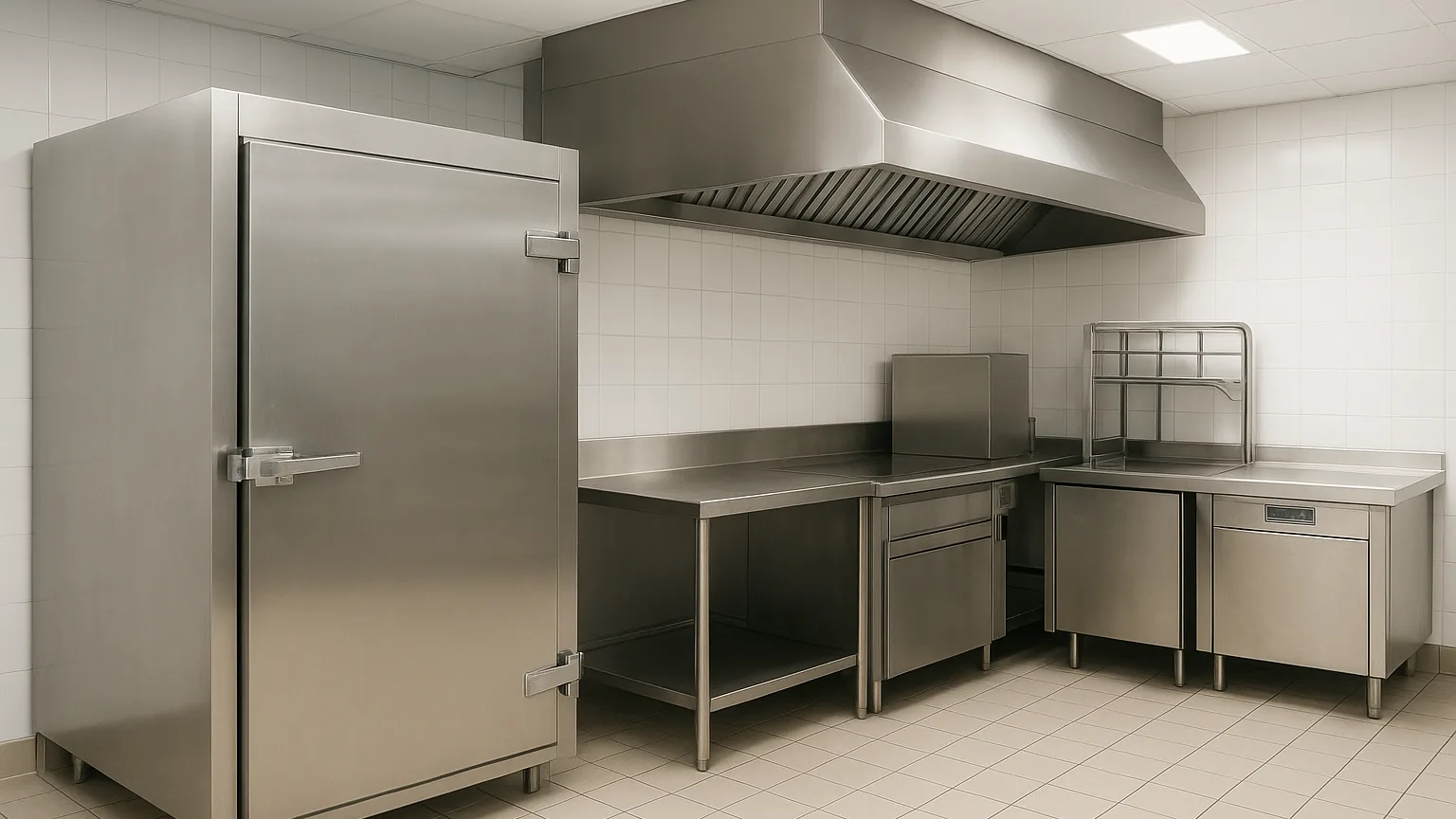
You now have your four numbers, a sense of which loads run in daylight, and a short list of efficiency fixes. That is a real brief. Here is how to use it.
Call your utility and request 12 months of interval data, sometimes called 15 minute data or Green Button data. It is usually free. It shows your power use in short blocks across every day of the year, so you can see the exact hour your demand peaks, whether it happens on Saturdays, and whether your afternoon load is flat or spiky. Any installer who does not ask for this file is guessing. Hand it over and watch how they respond. It is a fast quality filter.
That last one matters more than most owners expect. A 25 year array on a roof with 7 years left means paying to remove and reinstall panels. Get roof age in writing before you sign.
Ignore the headline payback figure until you can see the inputs. Ask what electricity rate escalation they assumed. If a proposal assumes 6 percent annual rate increases and your utility has averaged 2.5 percent, the payback on paper is fiction. Ask them to rerun it at your historical average. Ask too whether the estimate includes a main panel upgrade. Older kitchens often have electrical panels with no spare capacity, and a service upgrade can add serious money to a project that looked clean on the first page.
Operators who end up happy with solar mostly followed one sequence: read the bill, pull interval data, fix the obvious waste, measure the new baseline for two or three months, then buy an array sized to that leaner load. Every step makes the next one cheaper. Done backwards, you buy panels for a building that has not been tuned, then discover the efficiency work you skipped has left you with more generation than you need and a longer payback than promised.
Solar is a genuinely strong fit for independent restaurants and catering kitchens, mostly because your heaviest loads run while the sun is up: refrigeration cycling through afternoon heat, hood fans humming through a lunch rush, compressors fighting a hot back kitchen. Patio lights and late night cleanup are a different conversation, and any honest installer will tell you so. What separates the operators who save money from the ones who sign a 15 year agreement and shrug is not technical knowledge. It is 30 minutes with a highlighter and two utility bills. Know your kWh, your peak kW, your demand charge and your rate code. Then let the quotes compete on your terms, using your numbers, answering your questions.
Restaurant Utopia rounds up top restaurants, caterers, equipment and vendors so you can decide with confidence.