Most people pick a caterer with their taste buds and hope the rest works out. This guide shows you how to read a proposal, a kitchen and a crew before you put down a deposit.
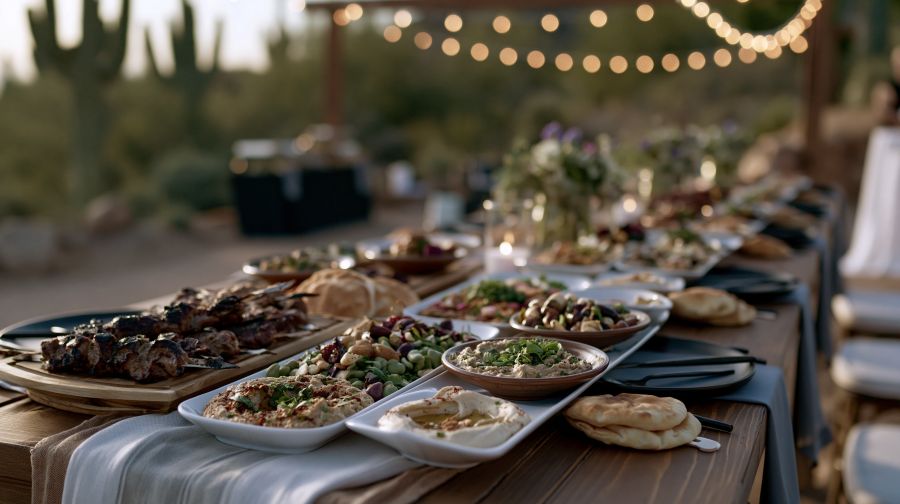
A caterer can make a perfect bite for four people in a quiet kitchen on a Tuesday afternoon and still fall apart feeding 180 guests on a patio when it is 104 degrees outside. The tasting is a test of cooking. Your event is a test of logistics, staffing, timing and nerve. Those are different skills, and the second set is the one that decides whether your guests remember the food or the wait.
The good news is that the signals are out there if you know where to look. Proposals, walkthroughs, references and even the way a company answers email all reveal how it will behave under pressure. This guide walks through what to check, in what order, and which answers should make you slow down before signing.
Anyone who has spent time around the best catering companies will tell you the same thing: the menu is the part they worry about least. A solid caterer has cooked those dishes hundreds of times. What keeps them up at night is a van that will not start, a server who calls in sick, a venue with one working outlet, and a client who added forty guests on Thursday.
So when you sit down for a tasting, enjoy it, but treat it as a screening step rather than a decision. Use the time to watch how the team operates. Did they ask about your venue, your guest count and your timeline before they talked about food? Did they bring the actual serving pieces they plan to use? Did anyone mention allergies without you bringing it up first? Those small tells say more about event day than the seasoning on the short rib.
Notice the temperature of the plates. Notice whether garnishes were placed with tweezers or tossed on. Notice if the team cleaned up after themselves or left you to deal with it. None of these things affect taste, and all of them show how the company treats the parts of the job nobody is grading. A crew that sweats the small stuff when nobody is watching will sweat it when 200 people are.

A proposal is the closest thing you will get to a preview of event day. It reveals how a caterer thinks, what they assume, and what they leave out. Two proposals for the same event can differ by thousands of dollars simply because one company included staffing, rentals and service charges up front while the other buried them or left them for later. Before comparing bottom lines, make sure you are comparing the same scope.
Start with staffing. A proposal should list how many servers, bartenders and kitchen staff are included, along with how many hours each is booked for. A ratio of one server for every 20 to 25 guests is typical for a plated dinner. Buffets and stations can run leaner, but not by much if you want lines to move. If the staffing section is vague or missing, ask for it in writing. Labor is often the single biggest variable on the invoice.
Next, find the service charge and figure out what it covers. Some companies use it to pay staff wages, others treat it as revenue, and a few pass a portion to the team as gratuity. Ask directly whether the service charge is a tip. The answer changes what you budget for on top of it.
Rentals are the third place proposals diverge. Plates, glassware, linens, chafing dishes, tables and even trash removal may or may not be included. A proposal that looks cheaper because it assumes your venue provides everything can end up costing more once you rent it all separately. Confirm what the venue actually supplies and hand that list to every caterer you are comparing.
Ask every finalist to walk the venue with you, even if they have worked there before. Watch what they look at. A seasoned catering lead will check the loading path, the distance from the kitchen or staging area to the serving line, where the power and water are, and how the sun hits the space at the hour you plan to serve. In the Phoenix area, that last one matters more than most clients realize. A buffet placed in direct afternoon sun on a Scottsdale patio will wilt greens and warm dessert long before guests reach it.
If a caterer says the walkthrough is unnecessary, that is your answer. They may still deliver a fine meal, but you are betting on luck rather than preparation.

By the time you reach this stage, you have narrowed the list to companies that cook well and write clear proposals. The final round is about execution. These questions surface the difference between a caterer who has a system and one who improvises.
Ask for a run of show. A real caterer will have one, even if it is a simple document listing arrival, setup, service windows, bar close, and breakdown. Ask how long they need on site before service starts. For a plated dinner of 150, three hours is common. Two hours or less for that size should prompt a follow up question about how they plan to pull it off.
Then ask what happens when the schedule slips. Toasts run long. The ceremony starts late. The keynote speaker keeps talking. A caterer who has a plan for holding food for 30 to 45 minutes without losing quality is worth more than one whose menu depends on serving the second it comes off the line.
Find out who the on site lead will be, and ask to speak with that person before the event. The salesperson you have been emailing is often not the person running the floor. You want to know that the lead has run events like yours, knows the venue, and has authority to make decisions when something goes sideways.
Ask what the plan is if a staff member cancels the morning of. Reputable companies keep a bench of on call servers and can name their process without pausing. Ask about transportation too. How many vehicles, how far is the drive, and is there a second vehicle if one breaks down. It sounds paranoid until it happens to you.
Every caterer will hand you three glowing references. Ask for something more useful: a client whose event had a problem. How the company handled a spill, a shortage, a late delivery or a rainstorm tells you far more than another happy review. If they cannot think of a single event that went wrong, either they are very new or they are not being straight with you.
You can also check the company against what locals already know. Directories that feature top rated Scottsdale caterers and similar regional lists tend to reflect years of feedback rather than a single event, which makes them a reasonable starting point for a shortlist.
Choosing a caterer well comes down to sequence. Taste first, but only to screen. Then read the proposal for staffing, service charges and rentals until every line makes sense. Walk the venue together and watch what they notice. Finally, ask the day-of questions about timing, backup staff, transportation and what they do when things go wrong. Each step filters out companies that are strong in the kitchen but weak in the field, and the ones left standing are the ones you can hand your event to and stop worrying.
The caterers who pass this kind of scrutiny rarely mind it. They have built systems precisely so they can answer these questions, and they tend to appreciate a client who understands what they are buying. Ask the hard questions early, get the answers in writing, and the tasting you loved will turn into an event your guests talk about for the right reasons.
Restaurant Utopia rounds up top restaurants, caterers, equipment and vendors so you can decide with confidence.