
Maximize Your Commercial Deep Fryer Efficiency with Pro Tips!
Discover essential strategies and tips for using commercial deep fryers effectively. Ensure crispy perfection and safety in your kitchen.
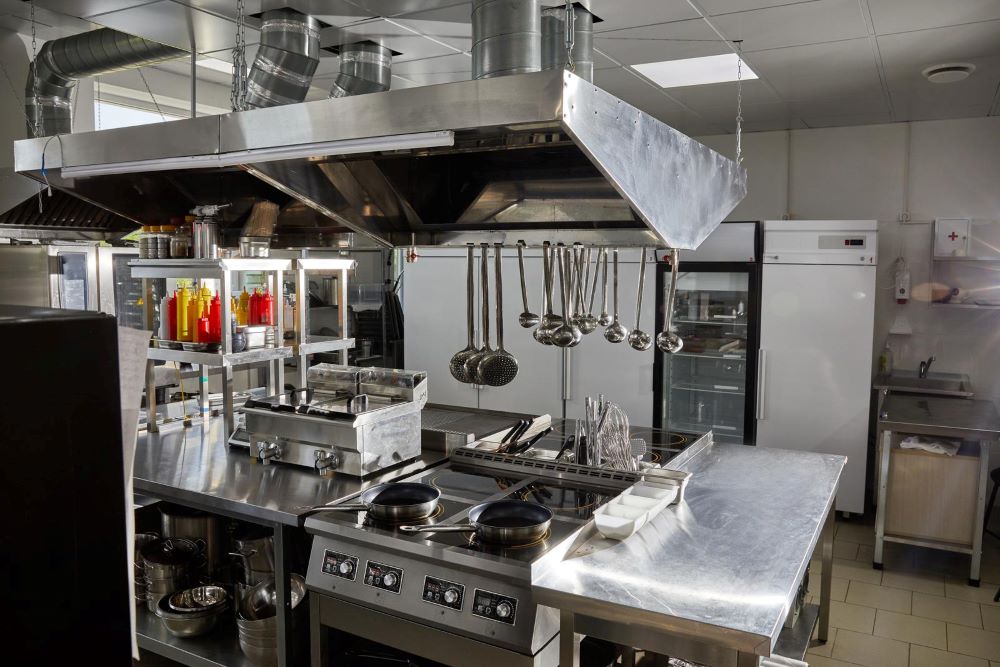
Commercial deep fryers are a staple in many restaurants, offering a quick and efficient way to prepare a variety of crispy dishes. Mastering the use of these powerful kitchen tools can elevate your culinary offerings and streamline your kitchen operations. Understanding the best practices for using and maintaining commercial deep fryers is essential for any restaurant aiming for consistency and quality in their fried foods.
The efficiency of a commercial deep fryer depends on several factors, including the type of fryer, the oil used, and the cooking techniques employed. With the right strategies, you can ensure that your deep fryer operates at peak performance, delivering delicious and perfectly fried dishes every time. This article provides insights into the optimal use of commercial deep fryers, offering practical tips and strategies to enhance your kitchen's efficiency and output.
From selecting the right oil to maintaining proper temperatures, each step in the frying process can significantly impact the final product. By adhering to proven techniques and adopting a few insider tips, you can make the most of your commercial deep fryer, ensuring your customers enjoy consistently high-quality meals.
Choosing the Right Oil for Your Deep Fryer
Selecting the appropriate oil for your deep fryer is crucial for achieving the desired taste and texture in your fried foods. Different oils have varying smoke points, flavors, and health implications.
High Smoke Point Oils
- Peanut Oil: Popular for its high smoke point and slightly nutty taste.
- Sunflower Oil: Another excellent option for its stability at high temperatures.
Maintaining Oil Quality
The quality of your frying oil can degrade over time, affecting the flavor and safety of your food. Regularly monitoring and maintaining your oil is essential.
High Smoke Point Oils
- Filter Regularly: Remove food particles and debris daily.
- Change Oil: Replace oil when it becomes dark, foamy, or develops an off-odor.
- Proper Storage: Store oil in a cool, dark place to extend its lifespan.
Setting the Right Temperature
Maintaining the correct frying temperature is vital for achieving crispy, golden results without burning or undercooking your food.
Ideal Temperature Range
- French Fries: 325°F - 375°F for crispy exteriors and fluffy interiors.
- Chicken: 350°F - 375°F for juicy, evenly cooked pieces.
- Seafood: 350°F for a delicate, crispy coating.
Loading the Commercial Deep Fryer
How you load your fryer can impact cooking efficiency and food quality. Avoid overloading the fryer basket to ensure even cooking.
Best Practices for Loading
- Batch Size: Fry in small batches to maintain oil temperature.
- Dry Food: Pat food dry to prevent oil splatters and ensure a crisp finish.
- Avoid Clumping: Separate pieces to avoid sticking and ensure even frying.
Safety Measures
Safety is paramount when working with hot oil. Implementing proper safety protocols can prevent accidents and ensure a smooth kitchen operation.
Essential Safety Tips
- Protective Gear: Wear heat-resistant gloves and aprons.
- Fire Safety: Keep a fire extinguisher nearby, specifically one rated for oil fires.
- Safe Practices: Never leave a fryer unattended, and avoid adding water to hot oil.
Cleaning and Maintenance
Regular cleaning and maintenance of your deep fryer can extend its lifespan and ensure consistent performance.
Daily Cleaning Routine
- Drain Oil: Safely drain oil and remove food particles.
- Clean Interior: Wipe down the interior with a damp cloth.
- Check Components: Inspect and clean the heating elements and thermostat.
Training Your Staff
Proper training ensures that all staff members know how to use and maintain the deep fryer safely and effectively.
Staff Training Tips
- Operating Instructions: Provide clear guidelines on fryer operation.
- Safety Protocols: Teach staff about fire safety and proper handling of hot oil.
- Maintenance Procedures: Ensure everyone knows the daily and weekly cleaning routines.
Pro Tip:
At NexChef, with our commercial deep fryers, we emphasize the importance of regular training sessions to keep your staff updated on the latest safety protocols and frying techniques. This practice not only enhances food quality but also minimizes kitchen accidents.
Conclusion
Mastering the use of a commercial deep fryer involves understanding the nuances of oil selection, temperature control, and safety measures. By implementing these strategies and tips, you can optimize your kitchen operations and consistently deliver high-quality fried foods.
Commercial deep fryers are indispensable in restaurant kitchens, offering efficiency and versatility. With proper use and maintenance, these appliances can significantly enhance your culinary offerings. How will you maximize the potential of your deep fryer to impress your customers and streamline your kitchen operations?